You see
A big, green plant with few flowers, or none.
It's too much nitrogen. Do this: stop the high-nitrogen feeding and change to a balanced fertilizer made for vegetables.
Nana korobi ya oki: fall down seven times, get up eight.
Free Food for Life shows you what your plant is telling you and what to do that same day. Then it takes you through 46 plants, from the windowsill to a fruit tree in a pot, each with what goes wrong and how to fix it.
$71$47 today. 486 pages that open on your phone in 30 seconds. 30-day money-back guarantee.
From Chapter 14 · Reading the Signs
Most problems in a small garden come from four things: water, food, heat and light. Here are six of the signs the book teaches you to read, and what it tells you to do about each one.
You see
It's too much nitrogen. Do this: stop the high-nitrogen feeding and change to a balanced fertilizer made for vegetables.
You see
It's usually the weather: chilly nights or fierce heat stop pollination, and so does dry soil. Do this: keep the water steady, and shake the plants at midday to help the pollen fall.
You see
It's blossom end rot, and it isn't a disease: uneven watering keeps calcium from reaching the fruit. Do this: water on a steady schedule. Eggshells won't help, and Epsom salt has no calcium in it and can make it worse.
You see
It's only male flowers so far, or no bees about. Do this: wait a week for the female flowers, the ones with a tiny fruit behind the petals, and if none set, pollinate them by hand.
You see
It's too much water, and the roots are short of air. Do this: let the top inch dry before you water again, check the drainage holes and empty the saucer.
You see
It's the plant running out of nitrogen, which a pot loses every time water drains through it. Do this: feed it at the label rate, and add compost when you replant.
That's one chapter. Part V has four, on the signs, pests, diseases and critters, and a symptom index at the back lets you find your problem by what you see.
Send me the book, $47What the store sells
One more bottle
every season
The one that tells you why
The whole garden, in order
$71$47
34% off
about $1 a plant
opens on your phone in 30 seconds
What most people do
One summer
you don't get back
What's inside
65 chapters in seven parts, 486 pages, with large, clear type made for a phone. Every plant chapter shows where it fits, when to start, how long until you eat and what to do when it goes wrong. Pick the plants that fit your window and your yard: you don't have to grow all 46.
Start here — 3 chapters
Part I · The Kitchen — 3 chapters
Part II · The Curb — 2 chapters
Part III · The Plant Itself — 4 chapters
Part IV · Each Other — 1 chapter
Part V · When Something Goes Wrong — 4 chapters
Part VI · The Plants — 46 chapters
Herbs Ch. 18–27
Mint, basil, chives, parsley, cilantro, shiso, rosemary, thyme, oregano, sage
Leafy greens Ch. 28–39
Pea shoots, celery, lettuce, arugula, spinach, collards, bok choy, mustard greens, kale, Swiss chard, cabbage, broccoli
Roots and bulbs Ch. 40–49
Green onions, ginger, radishes, garlic, carrots, beets, daikon, onions, potatoes, sweet potatoes
Fruiting vegetables Ch. 50–55
Tomatoes, peppers, eggplant, cucumbers, zucchini, winter squash
Beans and peas Ch. 56–58
Peas, beans, edamame
Fruits Ch. 59–63
Strawberries, blueberries, raspberries, melons, fruit trees in pots
Part VII · The Circle — 2 chapters
Plus, at the back of the book
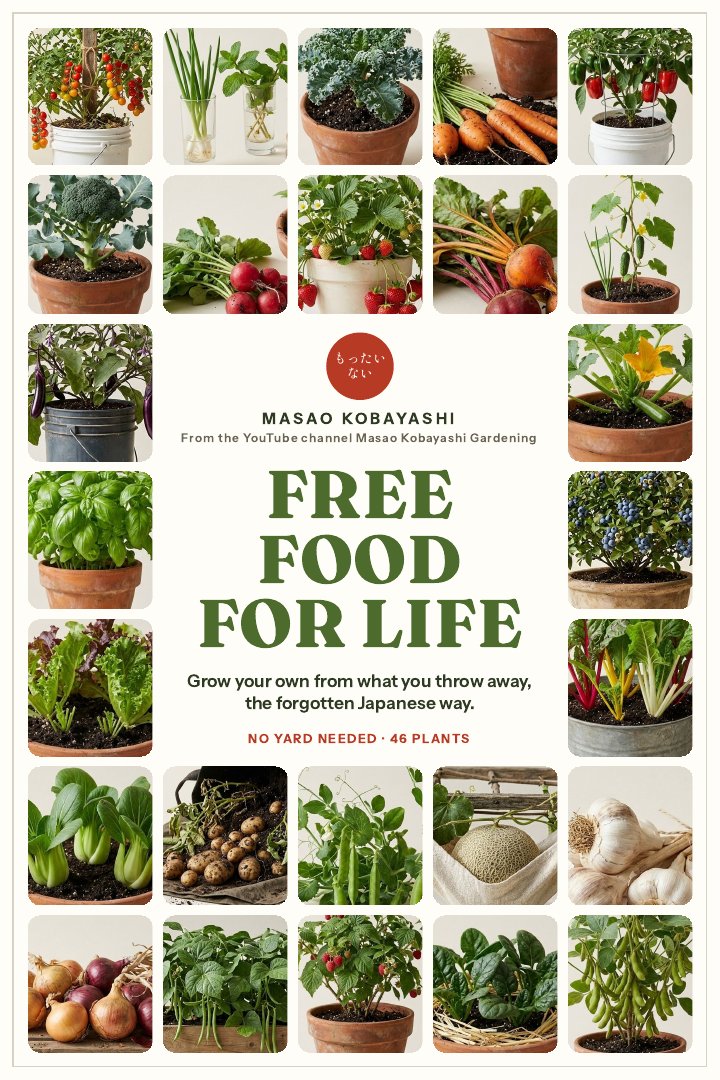
Twelve of the 46 plants and methods in the book.
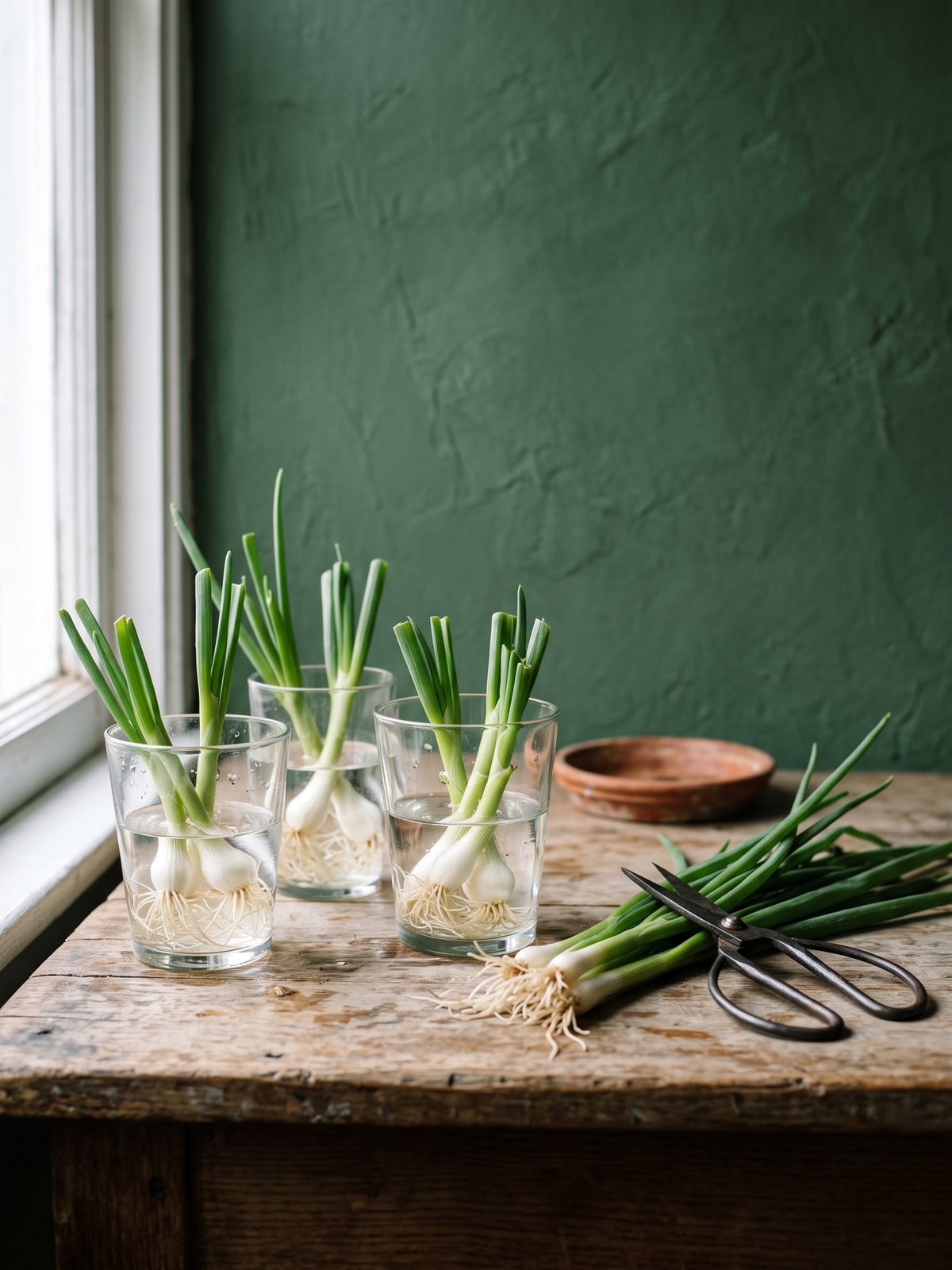
Cut it again in about a week: your first harvest, from the end you used to throw out.
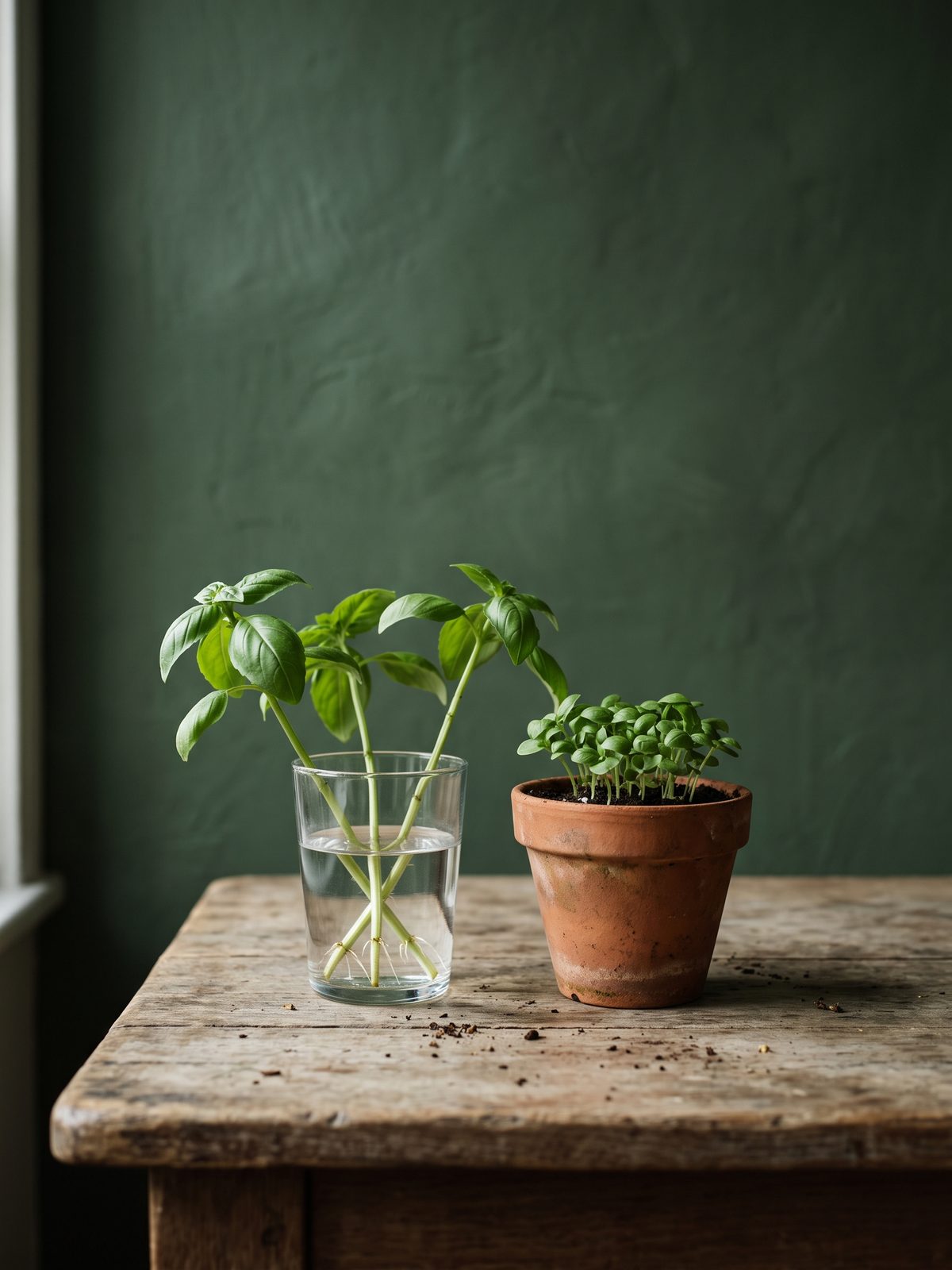
One store bunch, rooted in water, becomes a summer of plants.
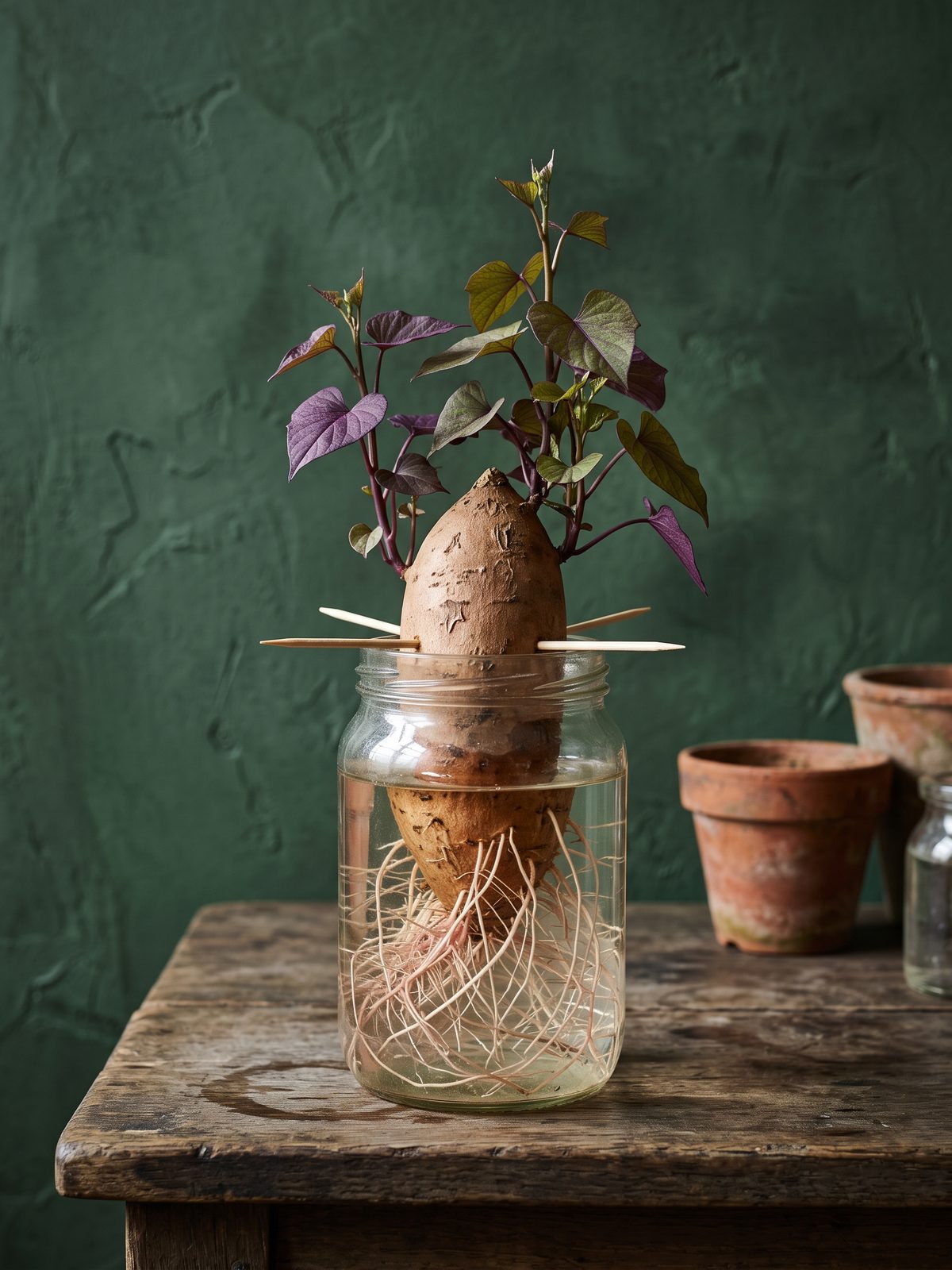
One potato, a jar and a dozen new plants.
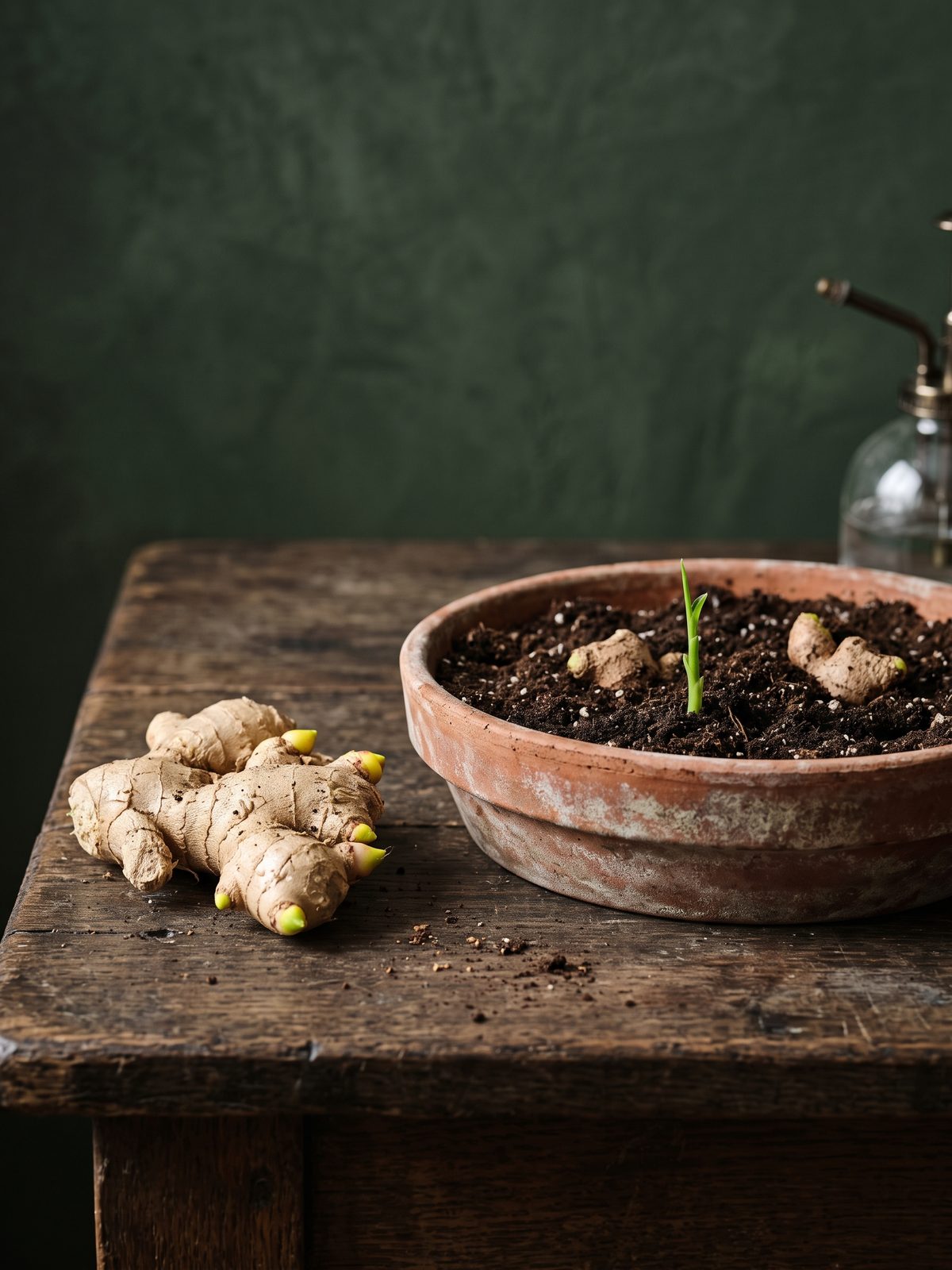
A small harvest at four months, all of it by ten.
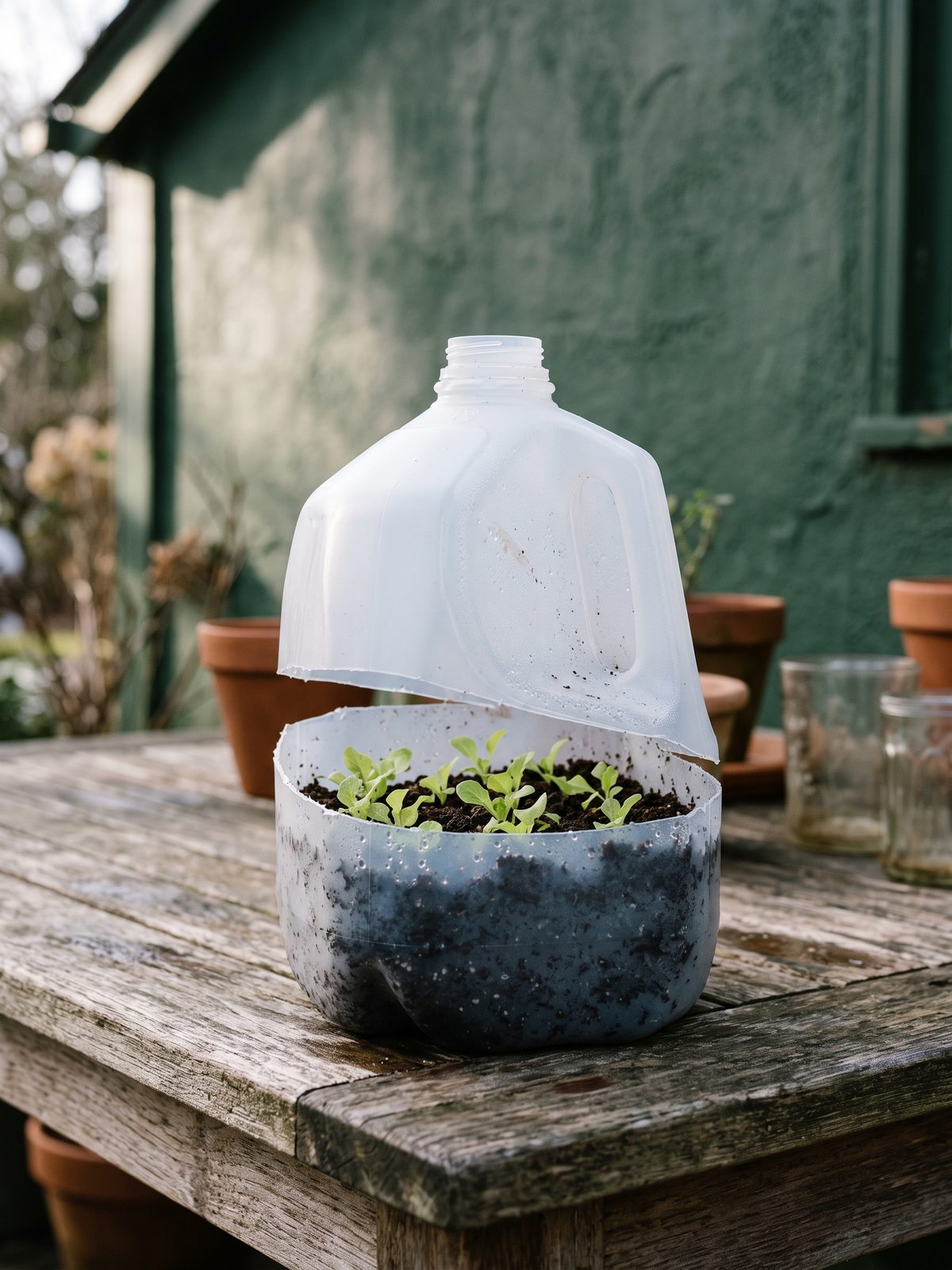
Becomes a small greenhouse for sowing in late winter.
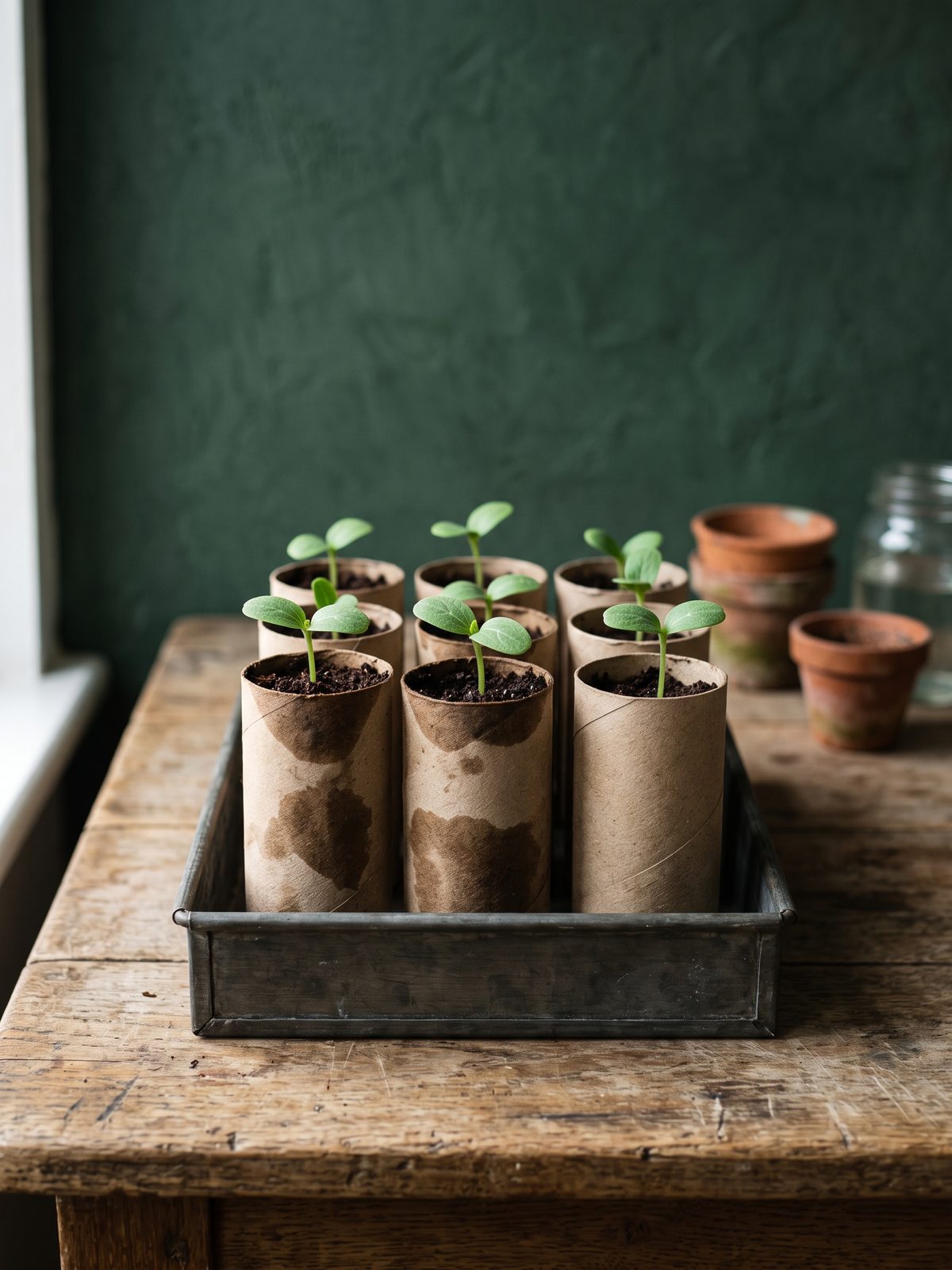
Pots that go into the ground with the seedling.
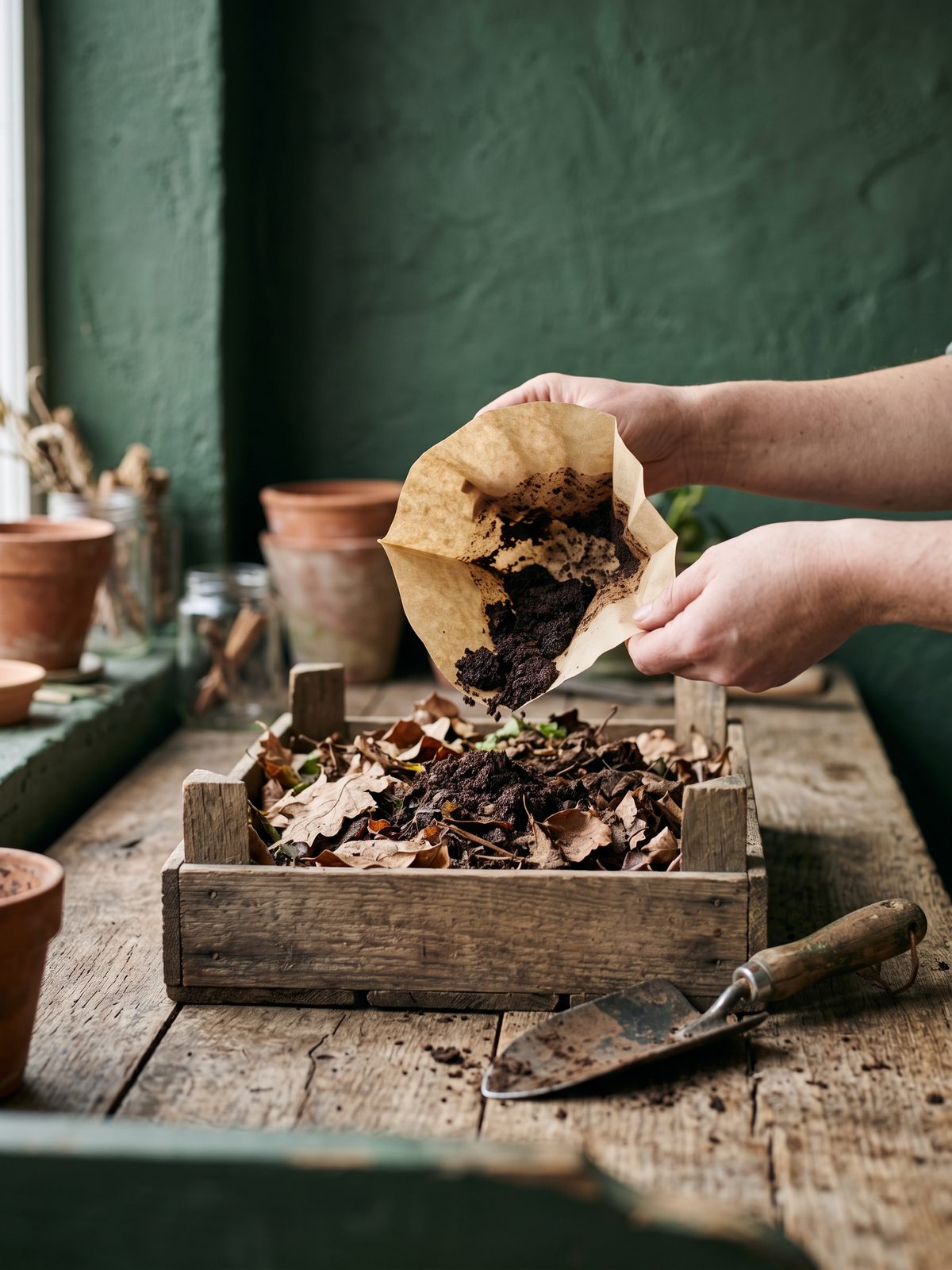
A good compost ingredient, and why not to tip them on the bed.
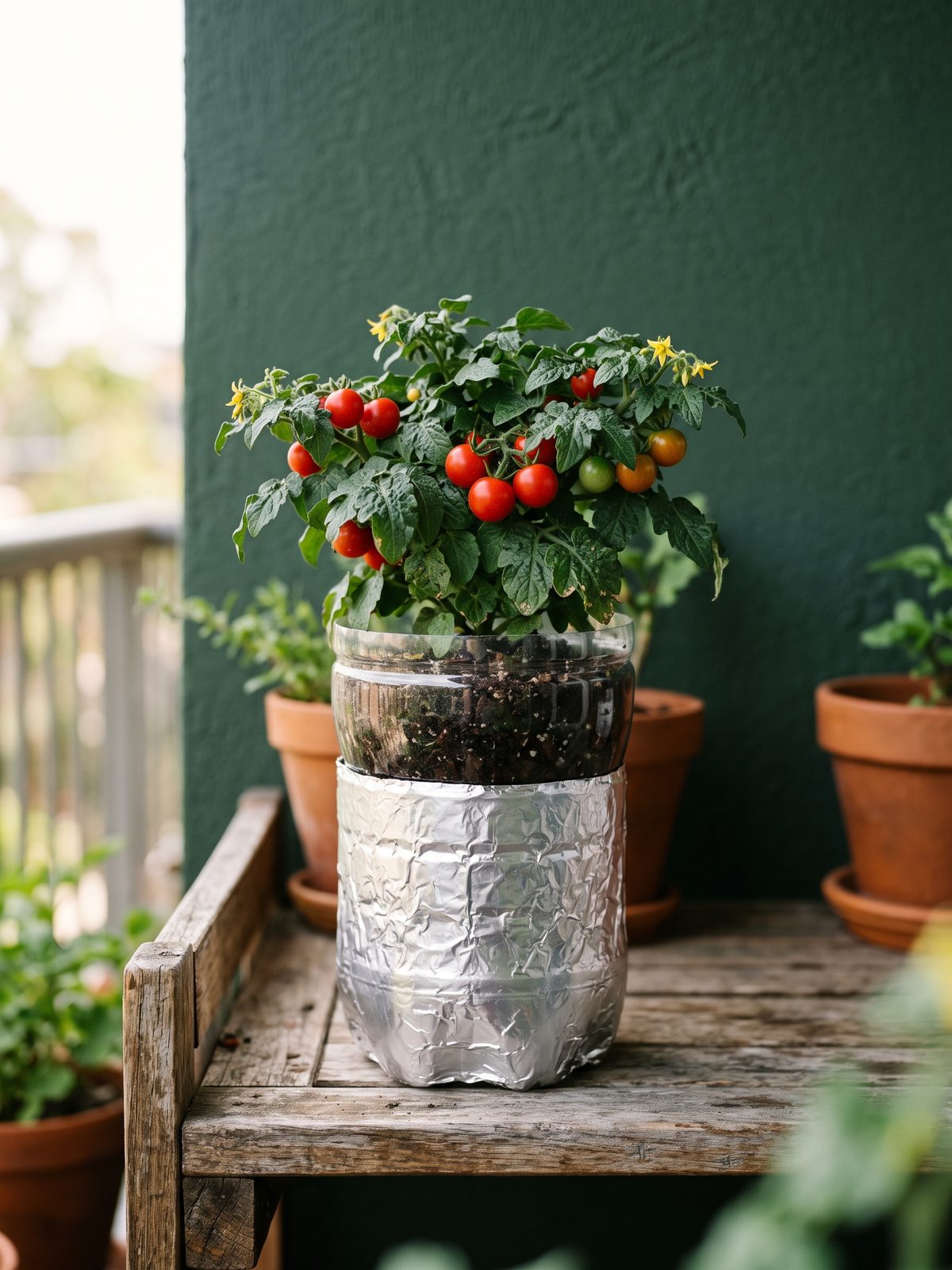
A micro-dwarf tomato on the balcony, the Japanese way.
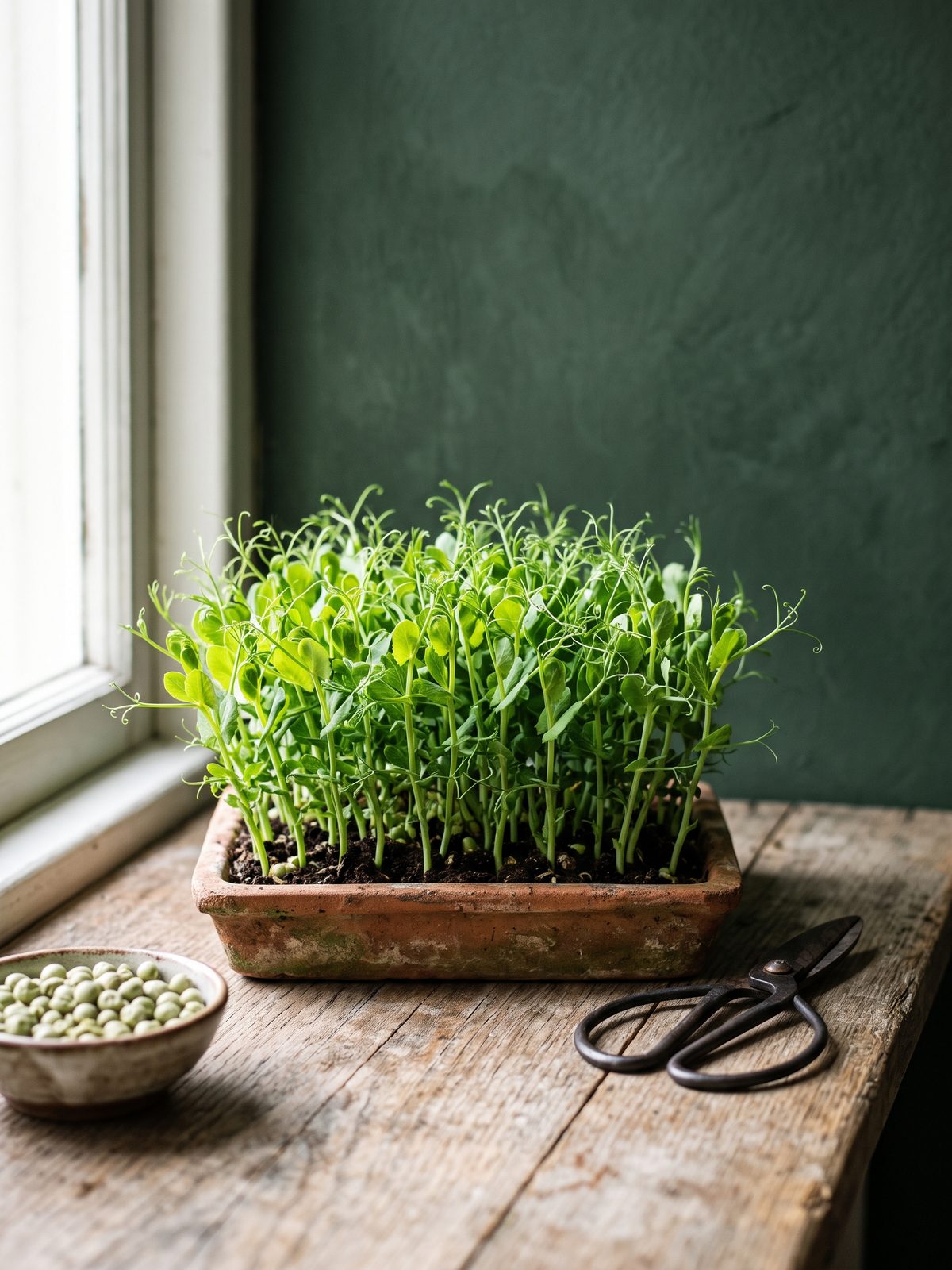
A cup of dried peas, a tray of greens in two to three weeks.
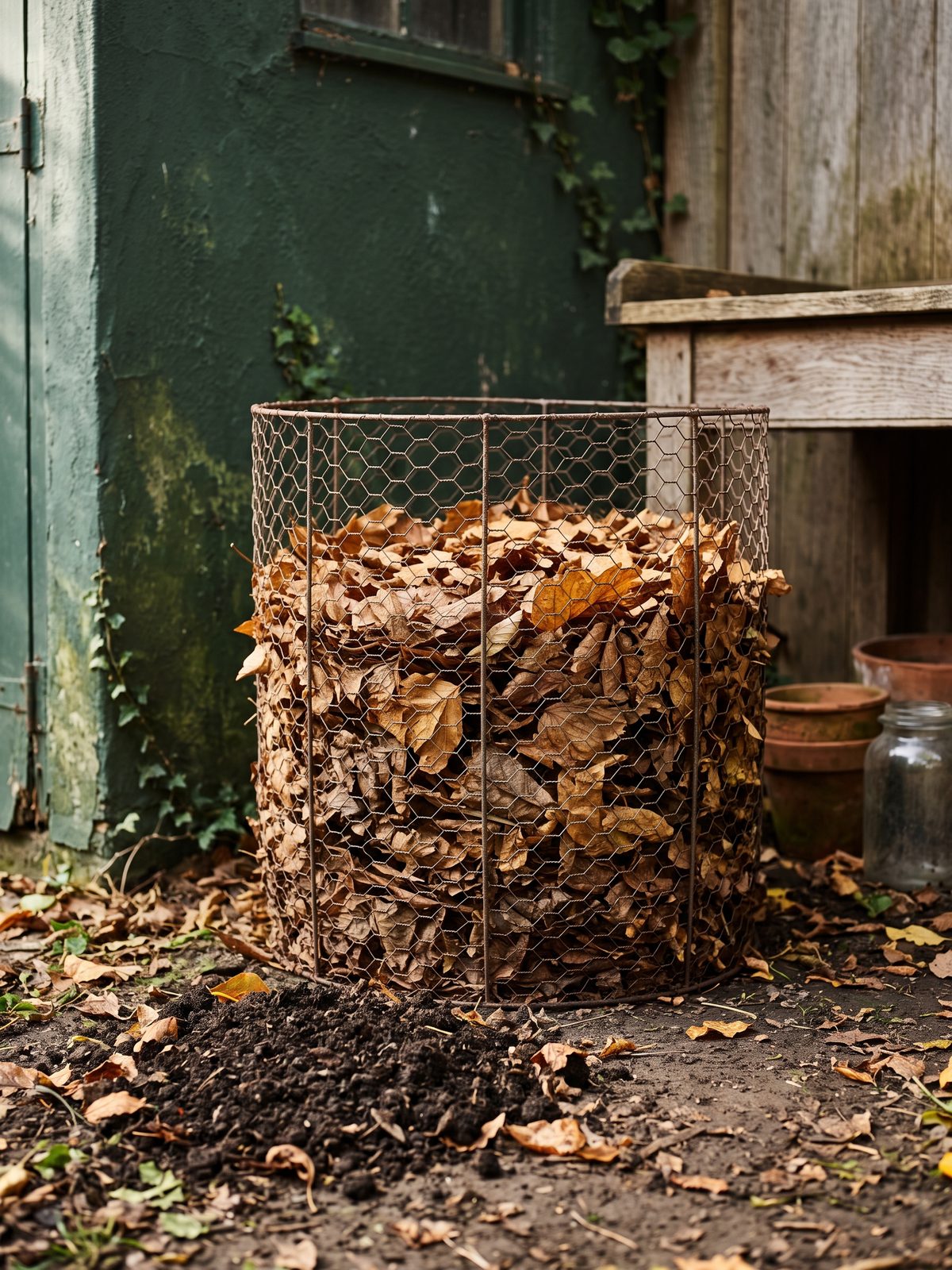
The free soil builder your street puts out at the curb.
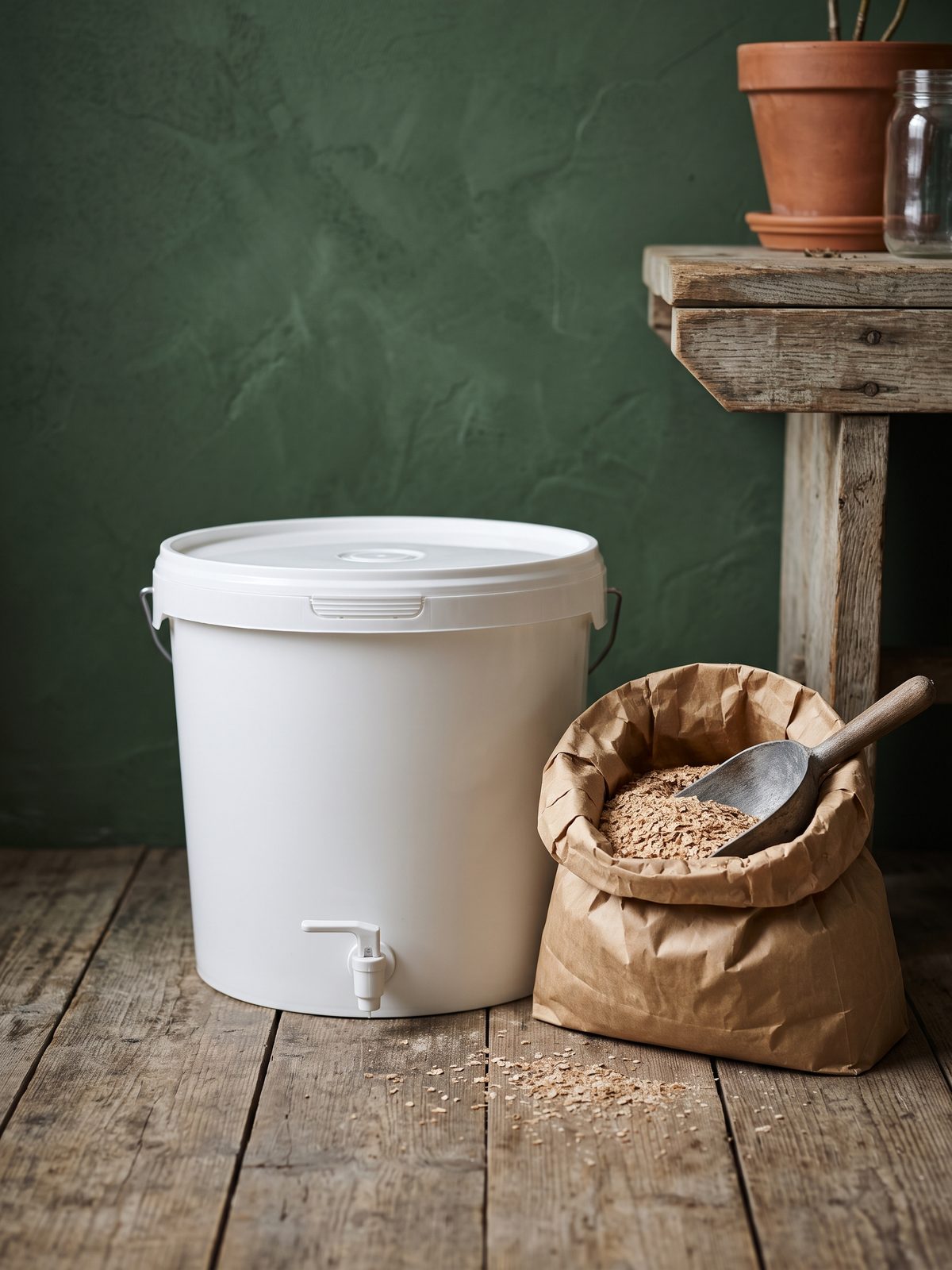
Kitchen scraps fermented with bran, even meat and cooked food.
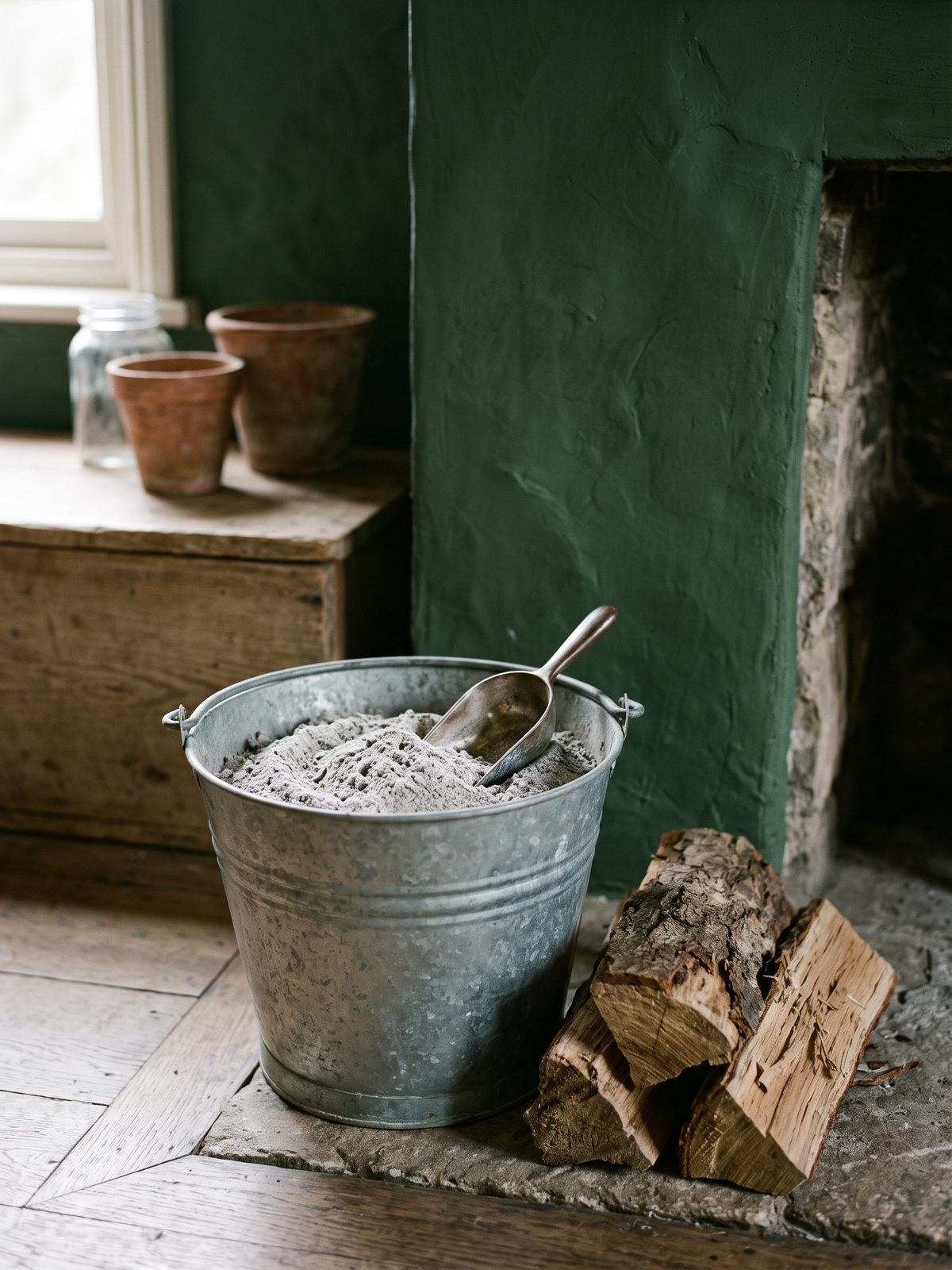
The dose, and the plants that must never get it.
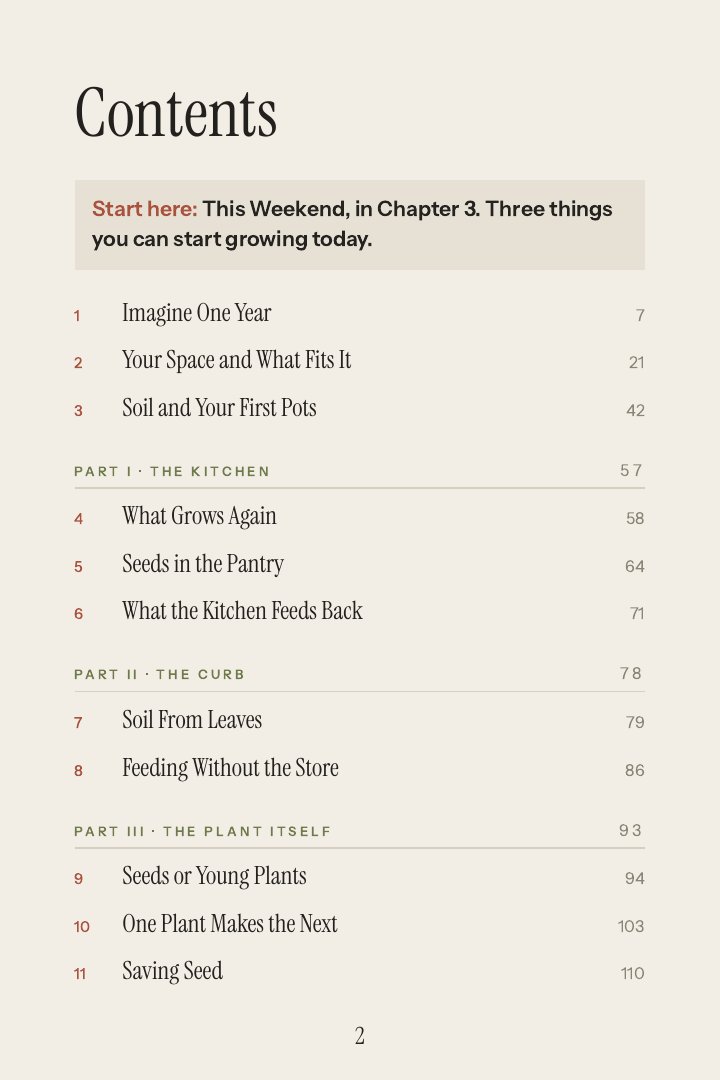
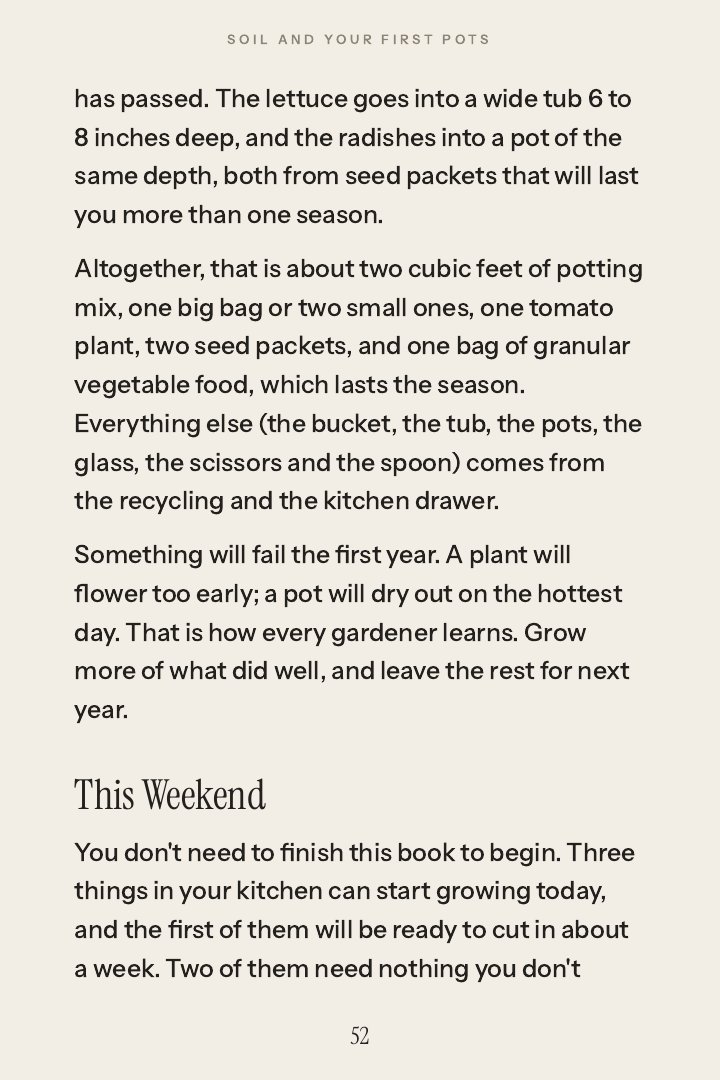
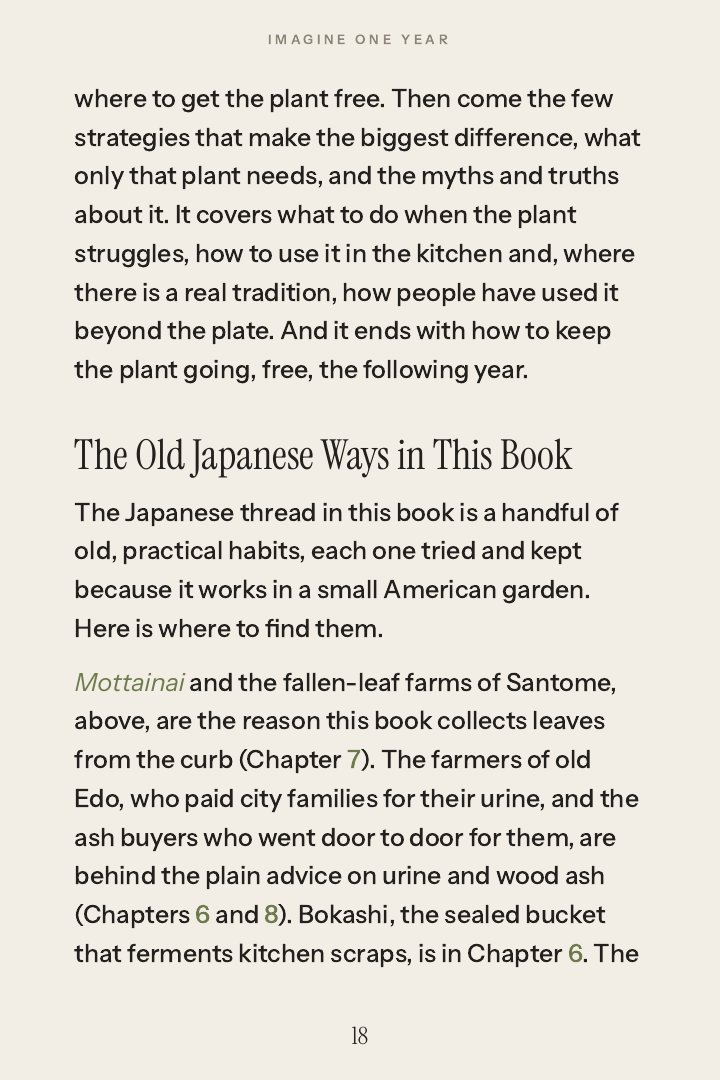
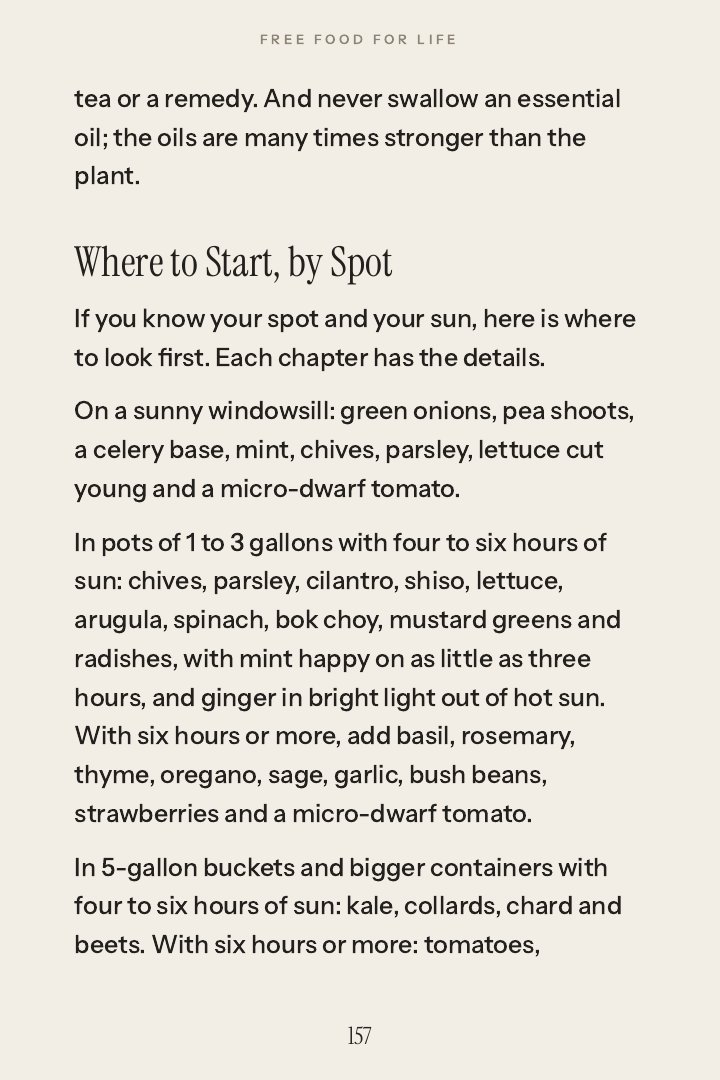
Nothing here is a mock-up. These are pages from the book, exactly as they open on your phone.
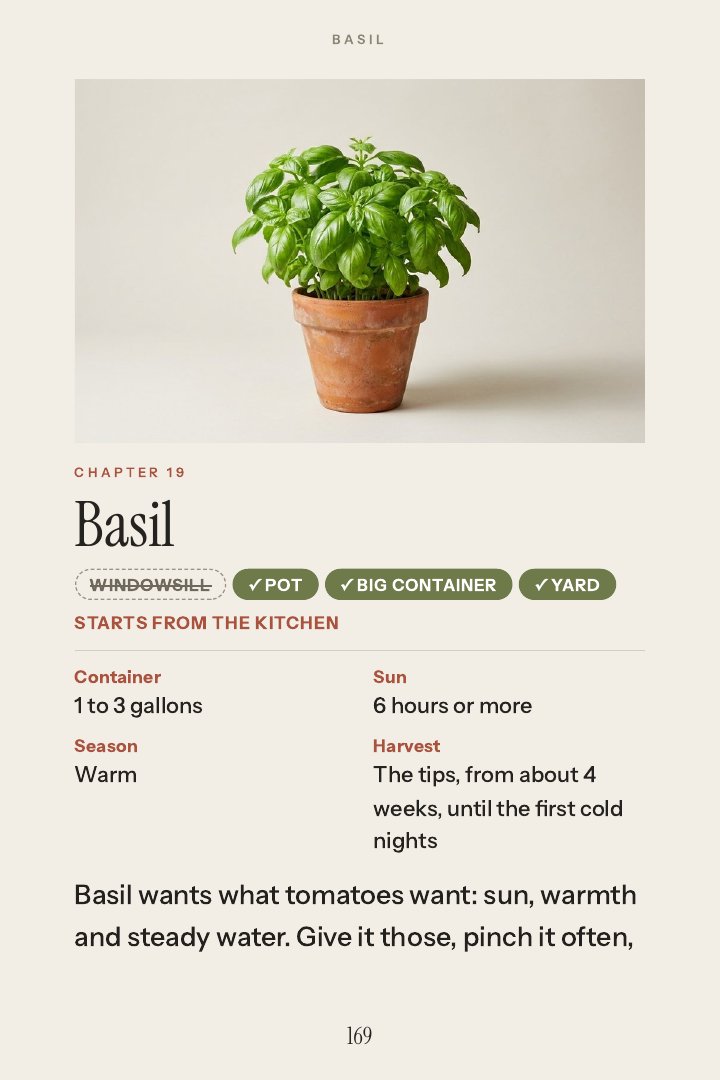
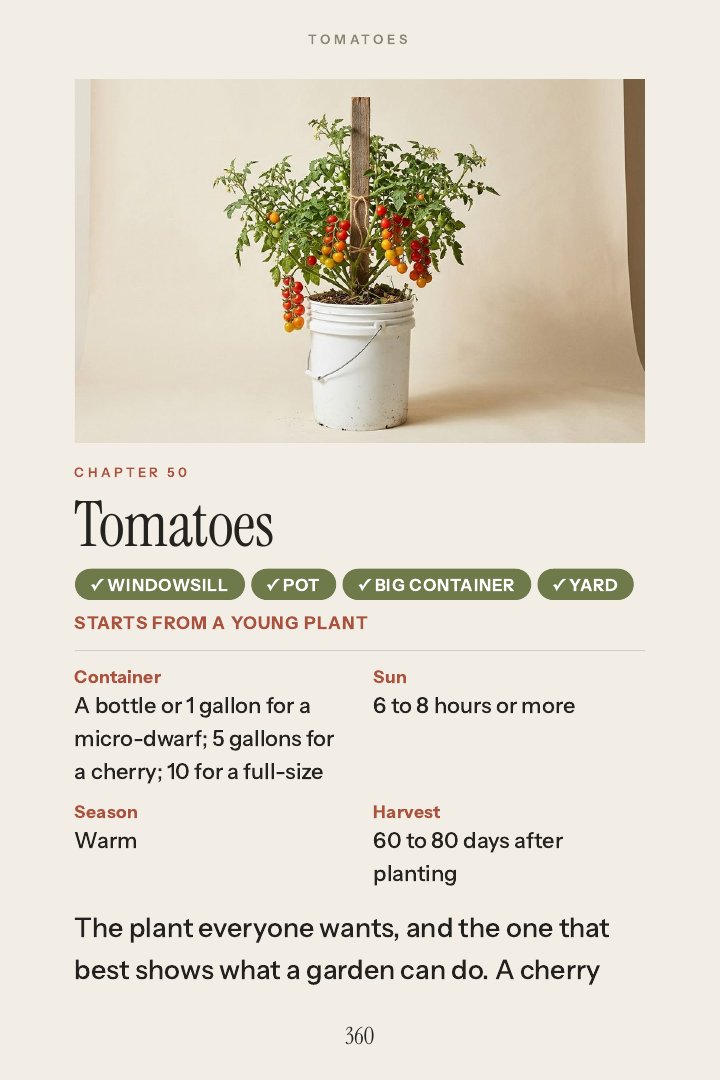
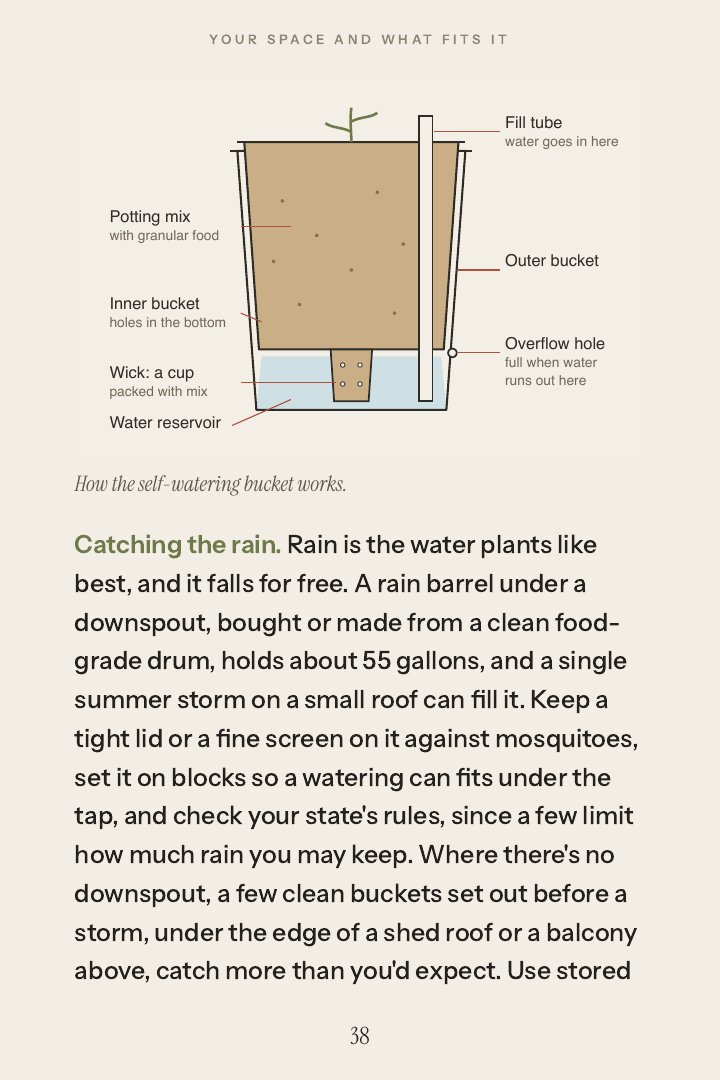
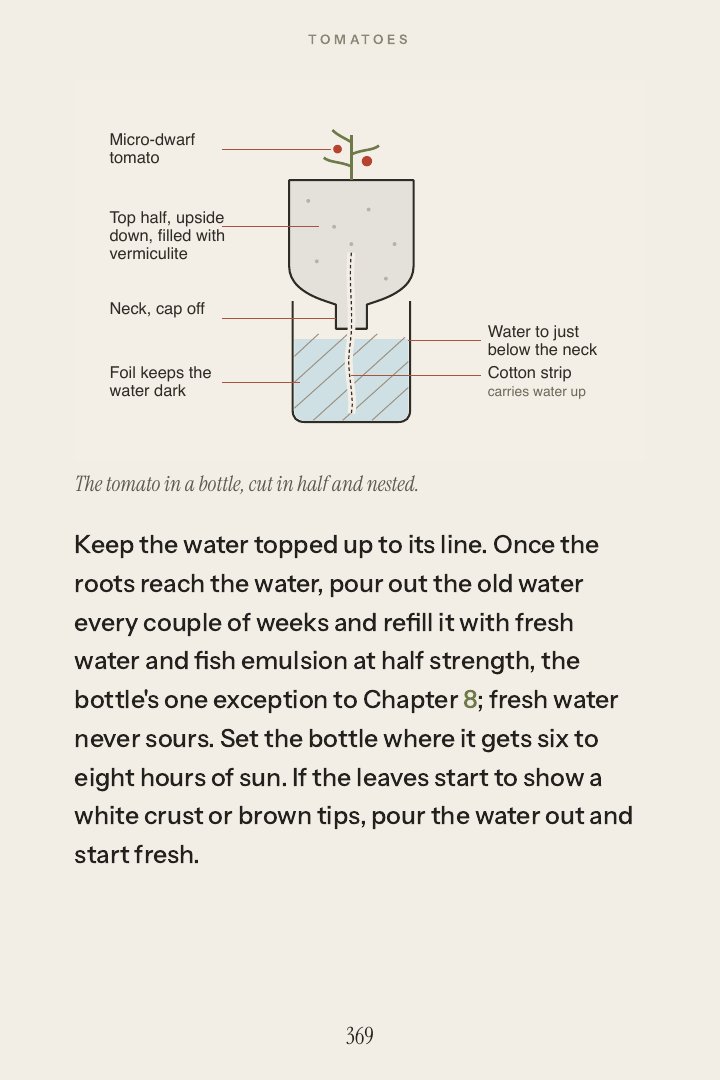
I’ve watched too many videos promising a whole head of lettuce from a stump. This book tells you straight out that it won’t happen, and then tells you what actually works. My green onions have been regrowing in a glass on the kitchen sill for three weeks now. Small thing, but it made my morning every day.
I had a bad back and assumed my gardening days were over. The chapter on the body changed my mind. Fill the bucket where it’s going to stay, put it on wheels, work standing at a table. I’ve now got basil, a cherry tomato and lettuce on my patio, all at waist height. My wife says I’m happier than I’ve been in years.
I’m on a blood thinner, and I was surprised and grateful that the book flags it on the kale and collard pages. Most gardening books never think about who’s actually reading them. It also says to cook pea shoots for older adults, which I didn’t know. It feels like it was written by someone who cares.
Two weeks, a baking tray and a cup of dried peas from the back of the cupboard. He couldn’t believe they came from “the soup bag.” We’re doing beans next. The writing is calm and easy to follow, and the print is large enough that I don’t need my reading glasses for most of it.
You go out with your coffee, push a finger into each pot and pick what's ready: basil from the railing, a handful of cherry tomatoes, lettuce that grows back after every cut. In the refrigerator there's a jar of envelopes, your own seed, labeled with the year. Next spring's garden is already in it.
One book, 486 pages, for phone, tablet or computer. It opens the moment you check out.
Everything in one book
The whole garden, in order
$71$47
34% off
about $1 a plant
opens on your phone in 30 seconds
30-day money-back guarantee, because if it doesn't earn its place in your kitchen, you shouldn't pay for it.
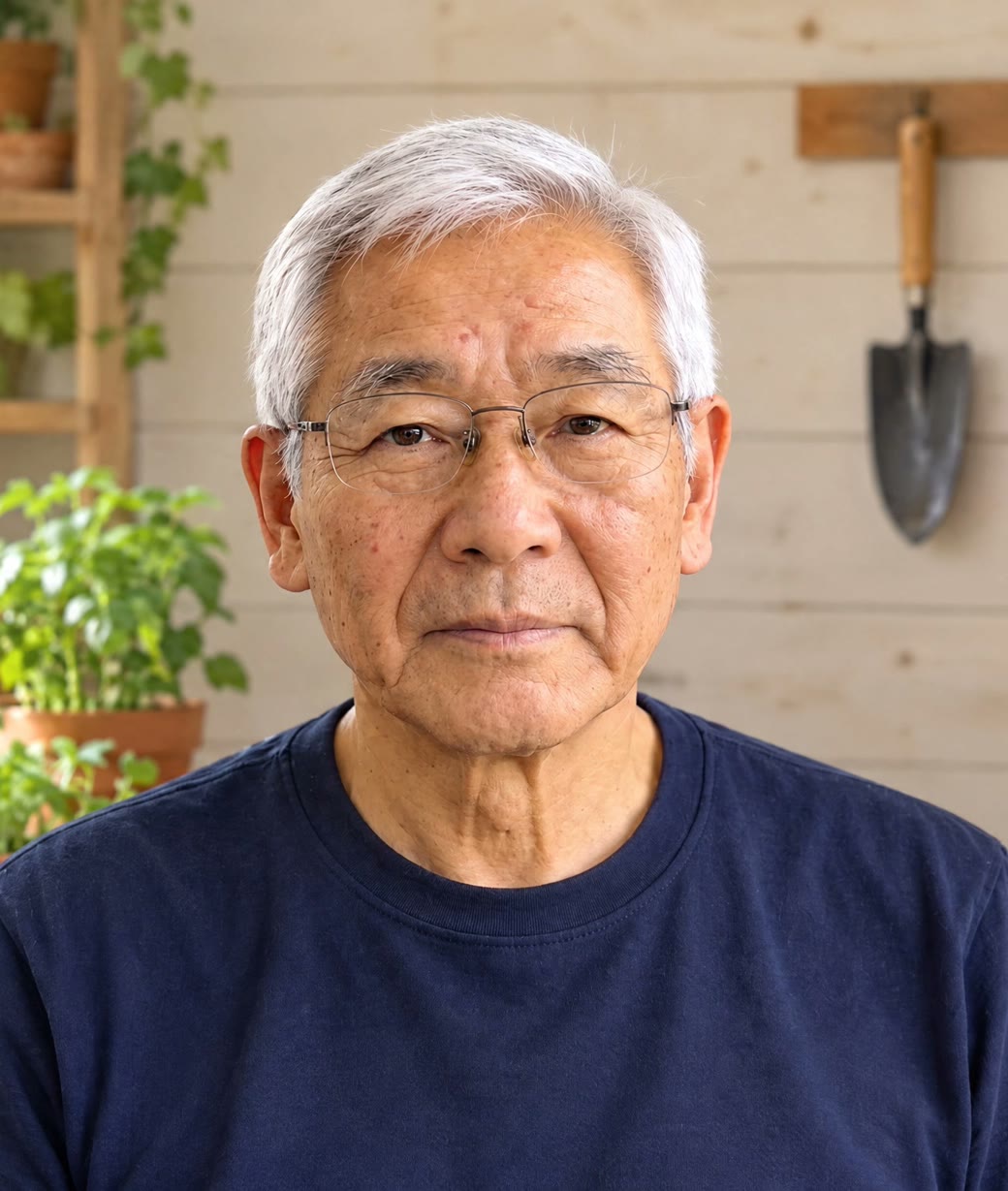
 From Masao Kobayashi. The reason I wrote this book: the most useful things in a garden are the ones people throw away, and nobody had put them in order, step by step. Watch the channel
Yes, that's where the book helps most. Chapter 14 goes through the usual causes in order, water, food, heat and light, with what each looks like and what to do. A big plant with no flowers, tomato flowers that drop and squash that only makes male flowers are all in it.
The videos give you one trick at a time. The book puts all 46 plants in order, from your first glass of water to your second year, with what to do when something goes wrong, so you can keep it open by the window while you work.
Yes. It starts with the five plants that forgive every mistake, and your first harvest is a glass of green onions on the windowsill, which is very hard to get wrong.
No. Every plant shows where it fits: windowsill, pot, big container or yard. A sunny windowsill alone grows green onions, pea shoots, mint, chives, parsley and lettuce.
The book shows how to garden standing up: pots on a bench, a waist-high bed, fewer and bigger pots that need less watering, and tools that are easy on stiff hands.
A PDF that opens right after checkout, with large, clear type for a phone. It also reads on a tablet or computer, and you can print any page. Nothing to install, nothing ships.
Worst case, write to contactmasaokobayashi@gmail.com within 30 days and get every cent back. Fair enough?
